

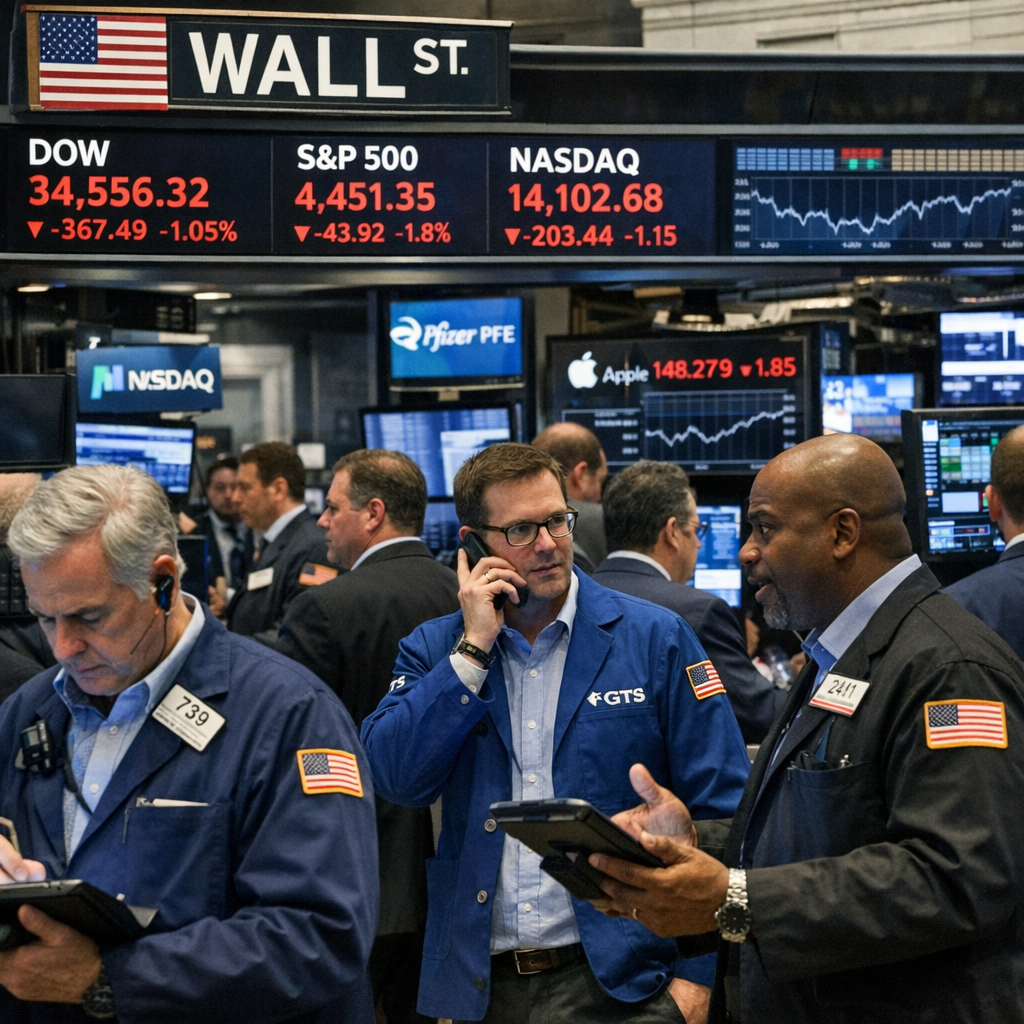
The United States economy has been navigating a complex landscape, influenced by various domestic and international factors. Recent data provides insight into the nation’s economic health, focusing on growth, inflation, and employment.
Economic Growth
In the fourth quarter of 2025, the U.S. economy expanded at a sluggish 0.7% annual rate, reflecting the impact of a 43-day government shutdown during that period. This growth rate indicates a slowdown compared to previous quarters, highlighting the challenges faced by the economy.
Inflation Trends
Inflation remains a significant concern for both policymakers and consumers. The Consumer Price Index (CPI) has shown a steady increase, with notable rises in energy and food prices. This upward trend in inflation affects purchasing power and cost of living, prompting discussions on monetary policy adjustments.
Employment Landscape
The labor market has demonstrated resilience, with unemployment rates maintaining relatively low levels. However, certain sectors, particularly those sensitive to global supply chain disruptions, have experienced job losses. The Federal Reserve continues to monitor employment data to inform its policy decisions.
Global Influences
International events, such as geopolitical tensions and trade policies, have also played a role in shaping the U.S. economic outlook. For instance, the ongoing conflict in the Middle East has led to fluctuations in oil prices, impacting both inflation and consumer spending patterns.
In summary, the U.S. economy is at a pivotal juncture, balancing growth aspirations with inflationary pressures and employment dynamics. Continuous monitoring and adaptive policy measures will be crucial in steering the economy toward sustained stability and prosperity.