

By Alexandru Mihai
Rising Interest Rates Signal a Shift
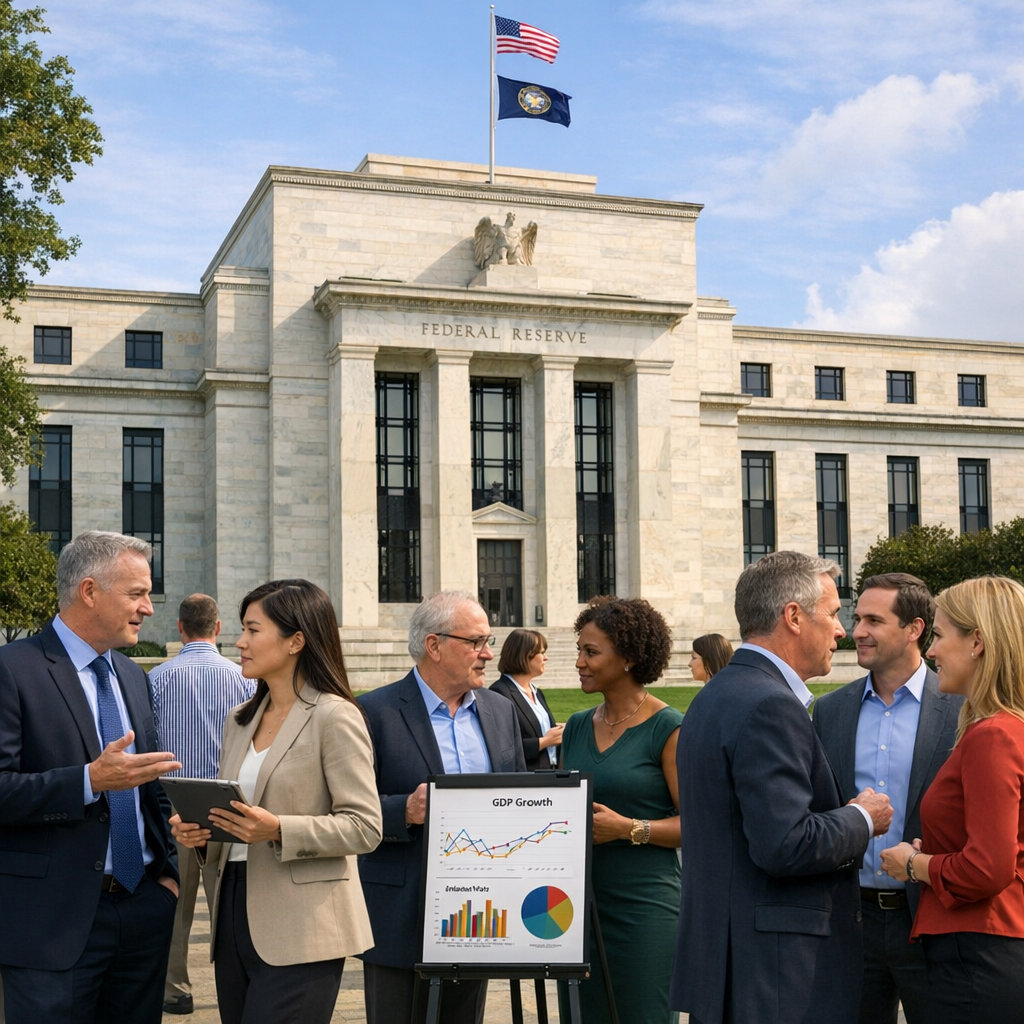
The U.S. Federal Reserve recently raised its benchmark interest rate, a move intended to tackle persistently high inflation. The decision reflects concerns that economic growth remains strong, even as rising prices strain household budgets and consumer confidence. Observers believe further rate hikes may be possible by year’s end. Fed officials and analysts emphasize that inflation has outpaced wage gains, contributing to affordability challenges across the economy. (Latest Fed meeting, elevated inflation remain priorities.)
Economic Growth Remains Uneven
While GDP continues to expand moderately, the growth is uneven. Sectors sensitive to borrowing costs—like housing and consumer spending—are under pressure. At the same time, business investment, especially in technology and infrastructure, has stayed resilient. Inflation as measured by core indicators remains well above the Fed’s 2% target, with energy prices and past tariff increases among the primary drivers.
Role of the International Economy and Policy Responses
Global factors—in particular energy market volatility from geopolitical conflicts—have added inflationary pressure. Tariff policies introduced in recent years also contribute to rising prices for imported goods. Monetary policy, led by the Fed, is forced to juggle between slowing inflation and avoiding an economic downturn.
Judiciary’s Expanding Role in American Politics
Recent Supreme Court rulings have underscored the court’s growing influence in defining the limits of presidential power and civil rights. Key decisions include the upholding of broad birthright citizenship protections and rulings that affirm a president’s authority to dismiss agency leaders at will. These outcomes have energized political debates, especially among parties positioning themselves for the upcoming elections. They highlight how judicial outcomes can act as policy as much as we expect from legislative or executive branches.
Implications for Romanian Observers
For those following U.S. developments from Bucharest or elsewhere, these trends are interconnected. Interest rate shifts affect global finances—for example, investment flows and exchange rates—while court decisions impact not only domestic policy but international norms, especially on immigration and civil rights. Understanding this set of forces offers insight into how U.S. policy might trickle outward and ripple into global arenas.
Bottom Line
The U.S. is in a moment of adjustment: fighting inflation, redefining judicial boundaries, and managing growth that’s solid but fragile. These are not issues that will resolve quickly, but they will shape how U.S. leadership is viewed abroad, and how its policies reverberate globally—reminding us in Romania to watch not just the headlines, but their connections.