

By Andrei Radu
Hotter summers, longer growing seasons
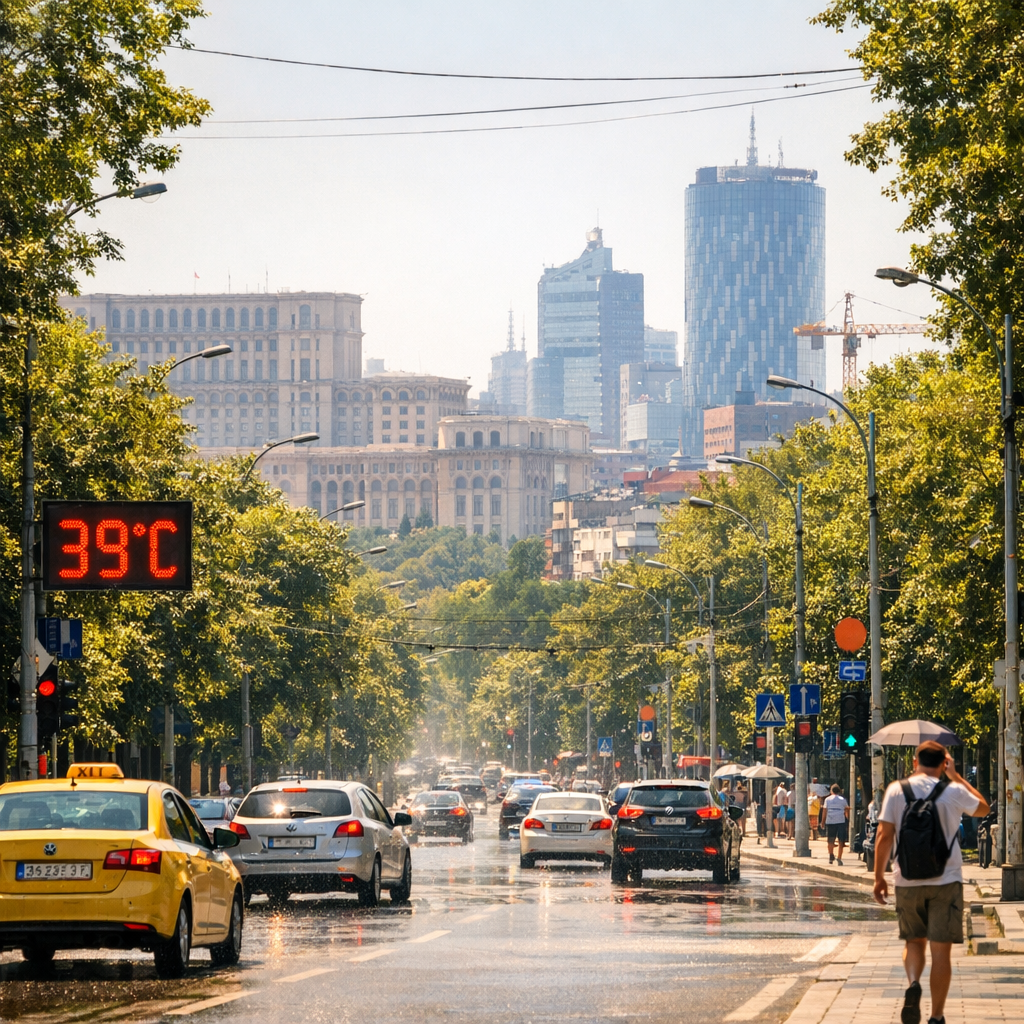
Over the past decades, Bucharest’s summers have become consistently hotter, with the number of extremely hot days rising markedly. Between the late 1970s and the early 2020s, average summer highs increased by around 5 °C. The growing season has also extended by nearly two months, a change that affects everything from gardening and agriculture to public health. The Urban Heat Island effect makes inner-city areas feel even warmer, especially at night.
Changing rainfall patterns and storm risk
Rain in Bucharest is now more seasonal and uneven. June tends to bring more frequent and heavier rain, while winter months like February are often much drier. This pattern intensifies the challenges: torrential downpours can cause flash flooding in poorly drained or low-lying areas, while extended dry spells strain urban trees and green infrastructure.
Storms in summer, floods in certain zones
With climate change, intense summer storms now hit with more force and frequency. Some parts of the city, especially those lacking adequate drainage, are more prone to flooding. Infrastructure built decades ago is often not ready to cope with sudden bursts of rainfall.
Air pollution and green space under pressure
The city frequently records elevated levels of PM₂.₅, PM₁₀, NOₓ, and ground-level ozone. Traffic remains the biggest contributor, alongside polluting heating systems and the burning of waste. The combination of heat waves and pollutants like ozone creates smog which is especially harmful to vulnerable groups such as children, the elderly, and those with respiratory issues.
Meanwhile, Bucharest’s green infrastructure is degrading. Parks and natural areas are often neglected, water features degrade, and expansion of built surfaces reduces vegetation cover. At the same time, new greenspace creation struggles to keep pace with urban growth.
What can help — steps forward
- More intense monitoring of weather extremes (rain, heat) and air quality, to inform early warnings and protect public health.
- Upgrading urban infrastructure: better stormwater drainage, reflective or green roofing, shade trees in built-up neighborhoods, and cooler pavement materials.
- Looking at cleaner heating systems and fuel standards to reduce winter air pollution sources.
- Strengthening urban greening efforts—restoring degraded parks, protecting street trees, connecting green corridors—and ensuring planning prioritizes nature not just aesthetics.
Bucharest is living through a time of rapid change in its climate and environment. Understanding these shifts isn’t just for scientists—it’s essential for everyone who lives here. Better planning and small changes, backed by clear data and citizen input, can make our city more resilient to what’s coming.