

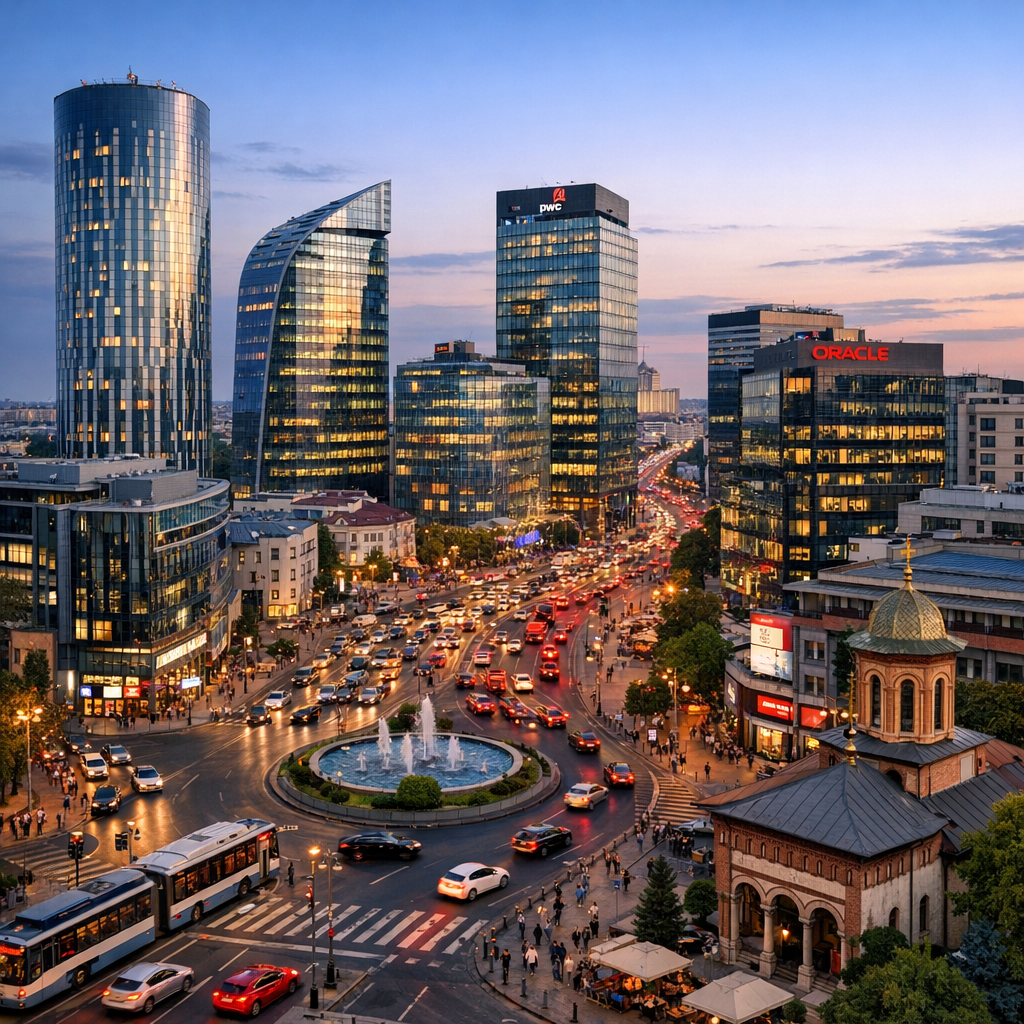
Bucharest has undergone significant economic transformations, emerging as a vibrant hub for entrepreneurs and multinational companies. This evolution presents both opportunities and challenges for businesses operating in the capital.
Economic Growth and Sector Dominance
The city’s economy has seen remarkable growth, with cumulative profits of companies based in Bucharest increasing by 290% between 2008 and 2024. Notably, the energy and retail sectors have been dominant, reflecting the city’s strategic importance in these industries.
Entrepreneurial Ecosystem
Bucharest offers a conducive environment for startups, characterized by relatively low operating costs and a well-established support system. Innovation hubs and coworking spaces provide infrastructure, mentorship, and networking opportunities essential for new businesses. However, entrepreneurs often face challenges such as bureaucratic hurdles and intense competition, necessitating innovative strategies and adaptability.
Attraction of Multinational Companies
The capital’s advanced digital infrastructure, skilled multilingual workforce, and competitive operational costs have made it an attractive destination for multinational corporations. These factors, combined with a favorable tax system and strategic geographical position, have led to increased foreign investment and the establishment of global tech giants in the city.
Challenges and Future Outlook
Despite the positive trajectory, challenges remain. Bureaucracy, corruption, and legislative unpredictability can impede business operations. Additionally, the concentration of economic activity in Bucharest raises concerns about regional disparities. Addressing these issues is crucial for sustainable growth and maintaining the city’s position as a leading economic center in Eastern Europe.